Loud Lion is a health and wellness marketing agency for Shopify brands that sell a purchase people need to trust first. We run Meta and Google ads, build research-led creative that answers buyer objections, and pair it with pre-sell pages. FitSauna, a $3,000+ infrared sauna brand, went from $10K to $265K a month in 60 days.
The objections health buyers raise, and the proof for each
Most health buyers have tried something that didn't work. Each doubt below needs its own proof, in the ad and on the page.
| Buyer's objection | Proof that answers it |
|---|---|
| "Will it work for someone like me?" | Testimony from a buyer with a similar goal and starting point, with an honest timeline. |
| "Is the claim real?" | The mechanism in plain language, published research on the ingredient or method if it exists, third-party test results if you have them. |
| "Is it worth the price?" | Cost per day or per session beside what the buyer uses now: a gym, a spa, another brand. |
| "Will it fit my home or routine?" | Dimensions, setup and a day-in-the-life demo. For FitSauna, space was a main objection alongside cost and effectiveness. |
| "What if it doesn't work for me?" | Guarantee and return terms stated plainly, next to the buy button. |
| "Is it easy to take?" | Unedited taste reactions and the full ingredient panel. |
Write inside the rules
- Meta restricts ads that assert or imply personal health attributes ("Struggling with your weight?") and limits some before-and-after imagery. Write first-person ("Here's what I changed") instead of diagnosing the viewer.
- In the US, the FTC expects health claims to be backed by competent and reliable scientific evidence, and testimonials describing results most buyers won't get need context.
- In practice: write the claim list first, have the brand confirm what it can substantiate, then brief creators. This is general guidance, not legal advice.
Hooks and angles worth testing
These lines are hypothetical examples, not client ads. Test one angle per ad.
- Skeptic. Hook to test: "I didn't think a home sauna was worth it. Here's my cost per session."
- Ingredient breakdown. Hook to test: "What's actually in my scoop, ingredient by ingredient."
- Comparison. Hook to test: "Home sauna vs my spa membership."
- Space. Hook to test: "Fitting a full sauna into a spare bedroom."
- Routine. Hook to test: "My evening wind-down, start to finish."
- Expert. A credentialed expert explaining how it works. Only with a real, named expert who has agreed to appear.
Below is a sample of creative from our health and wellness accounts, including UGC our team makes for Naked Nutrition. More on our UGC and creator ads.
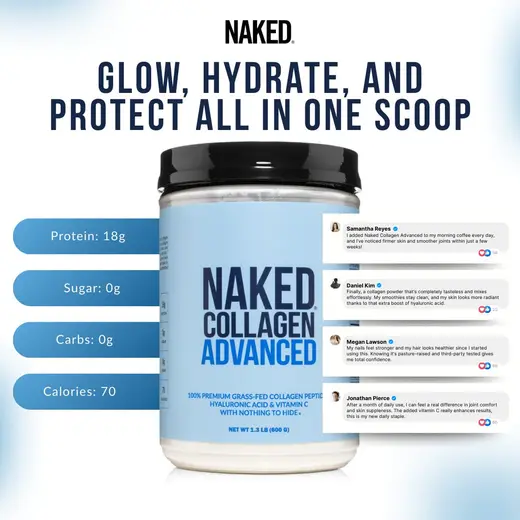 Naked Nutrition
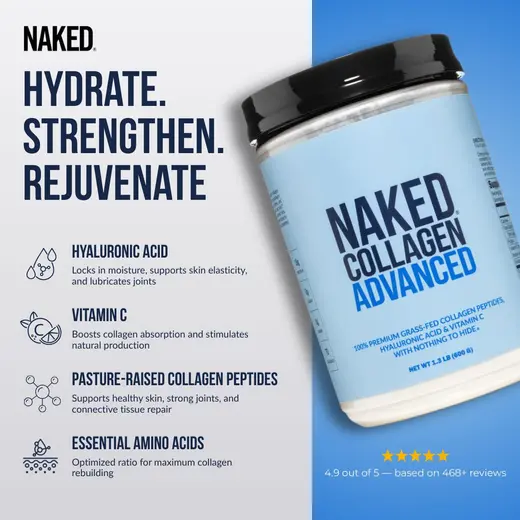 Naked Nutrition
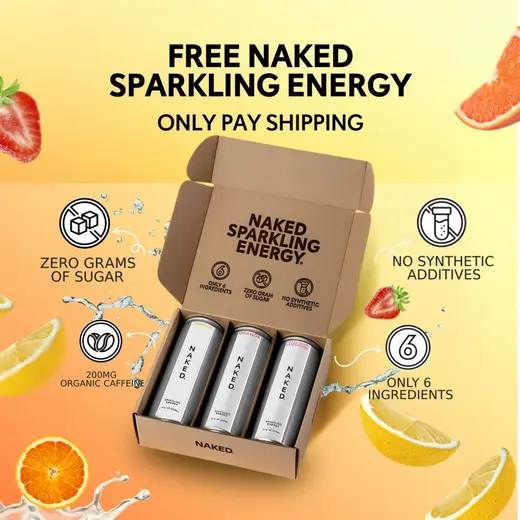 Naked Nutrition
Meta or Google first?
- Google first, or alongside Meta, when buyers already search for the product or problem by name. The job is capturing that demand without waste.
- Meta first when buyers don't know the category exists or need to see the product to want it.
On Point, a medical testing brand, is the Google case. In a 30-day sprint we audited and restructured the account, paused inefficient ad sets, refined keyword targeting and wrote new ads aimed at the audience's pain points. Monthly profit rose from $680K to over $970K, a 43% increase, from $180K in wasted spend saved and $110K in additional revenue. More on our Google Ads work.
What to measure
- High-ticket equipment: the decision takes longer than an impulse buy, so judge campaigns over a longer window and watch pre-sell page engagement, add-to-carts and email sign-ups, not only same-day purchases.
- Supplements and consumables: first-order ROAS rarely shows the profit. Track subscription take rate and cancellations after the first month. Creative that promises fast results can win the first order and lose the second.
FitSauna: what our health and wellness marketing agency did
FitSauna was at $10K a month, selling a $3,000+ sauna to cold traffic without a proven creative formula. We started with customer research into the buyer's health goals, lifestyle identity and the journey from curiosity to purchase. We then built UGC around the three main objections, cost, effectiveness and space, using transformation stories, expert endorsements and social proof.
Each winning creative was paired with a custom listicle or advertorial that warmed up cold traffic before it reached the product page. See why listicle landing pages work for cold Meta traffic.
- 1 · The ad
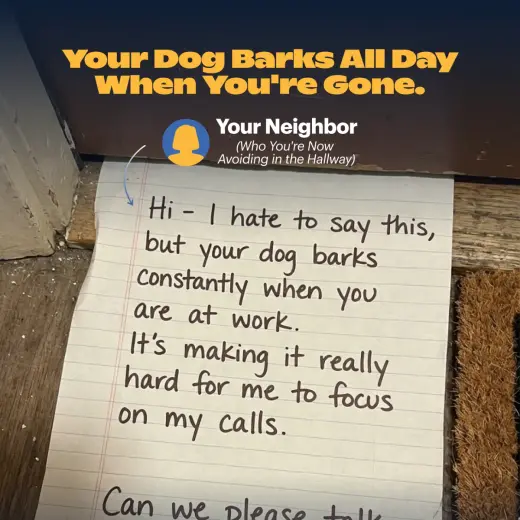 Stops the scroll
- 2 · Pre-sell pageListicle or advertorial warms them up
- 3 · Product pageArrives already convinced
- 4 · CheckoutBuyHigher conversion, bigger basket
Within 60 days FitSauna reached $265K a month at 19x ROAS. CEO Dave Floyd: "Loud Lion is our go to Facebook marketing team." Read the FitSauna case study.
Checklist before you launch
- The claim list is written and approved by the brand before any brief.
- No hook or caption assumes the viewer's health condition.
- Every objection in the table has proof on the landing page.
- Guarantee terms sit next to the buy button.
- High-ticket campaigns are judged over a longer window; consumables on month-two retention.
Who this is for
We work best with Shopify health and wellness brands doing $1M+ a year and $20K+ a month on Meta. Onboarding takes 1-2 weeks, and first creative goes live within 7-14 days. To see where your funnel is leaking, book a free Growth Audit.