Loud Lion is a food and beverage marketing agency for DTC brands that need each customer to be worth more than one small order. We run Meta and Google ads, produce appetite-led creative at volume, and build the bundles, purchase flow and retention that make the numbers work. Fatworks grew from $200K to $12M in annual revenue with us.
Do the order math before the ad math
A Meta click costs the same whether the basket is $25 or $125, and shipping and packaging take a bigger share of a small, heavy order. Before scaling, know three numbers from your own Shopify data:
- Contribution margin on a first order, after product cost, shipping, packaging and discounts.
- Second-order rate and the typical days between orders.
- How much first-order loss you can fund, and for how long, before repeat orders pay it back.
Decision rule: if the first order loses money and repeat orders can't cover it inside that window, fix the basket before buying more traffic.
Levers that raise what a first order is worth
- Bundles and variety packs. A variety pack also answers "what if I don't like the flavor?" For Fatworks, we redesigned the purchase experience to guide buyers from single items to premium bundles, and average order value rose 326%. Our post on raising AOV with Shopify bundles covers the mechanics.
Order value per customer, same ad cost to acquire them
- A free-shipping threshold above your single-item basket, so the cheapest way to free shipping is adding a second item.
- Subscribe-and-save only where use is predictable, like coffee, cooking staples or drinks. Occasional treats rarely suit it.
- Replenishment emails timed to your real reorder interval, with a reason to place the second order.
The objections food buyers have, and the proof for each
| Buyer's objection | Proof that answers it |
|---|---|
| "Will I like the taste?" | A variety pack or sampler, unedited taste reactions, specific flavor and texture words. |
| "Why pay more than the grocery store?" | Cost per serving, and the exact ingredient, sourcing or process difference. |
| "Will shipping kill the deal?" | The free-shipping threshold shown on the product page, and a bundle that clears it. |
| "Will it arrive fresh?" | Packaging shown in unboxing UGC, shelf life and delivery time. |
| "How do I use it?" | Recipe and cooking content. For a cooking fat, the product in the pan. |
Hooks and angles worth testing
These lines are hypothetical examples, not client ads. Test one angle per ad.
- Sensory close-up. Hook to test: "The sound when it hits the pan."
- Taste test. Hook to test: "My kids blind-tasted three brands."
- Label read. Hook to test: "Three ingredients. That's the whole label."
- Convenience. Hook to test: "Weekly groceries ordered before my coffee went cold."
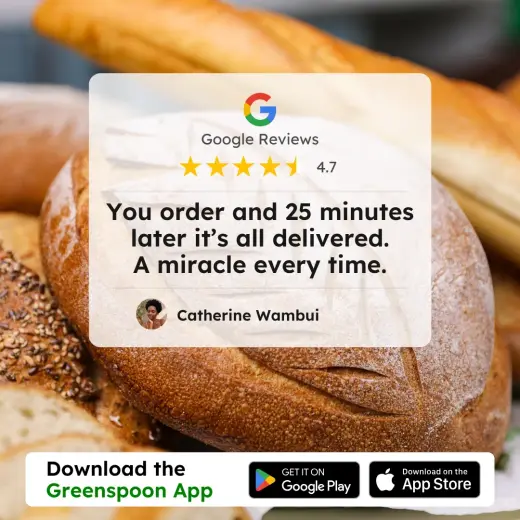
- Social proof. A real customer review, read on camera or set as a static.
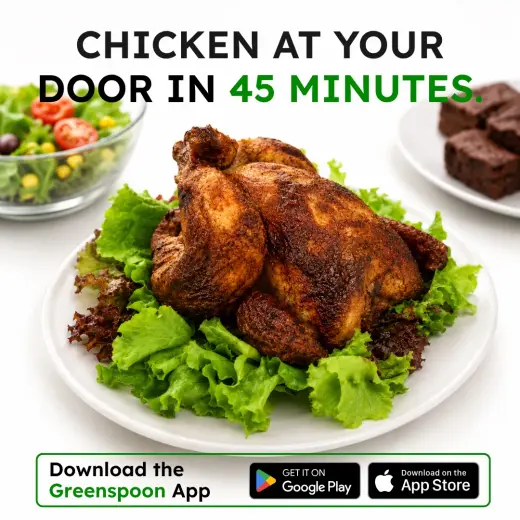
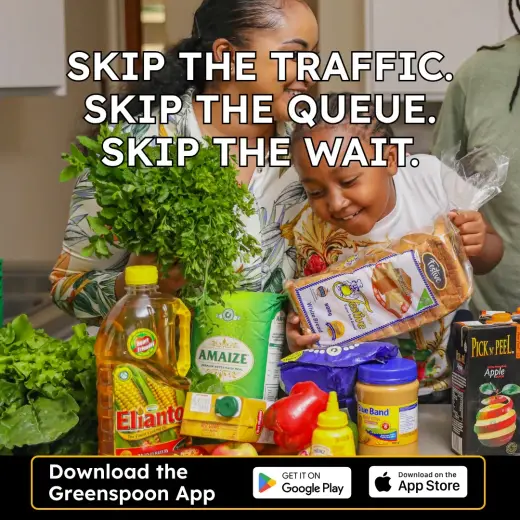
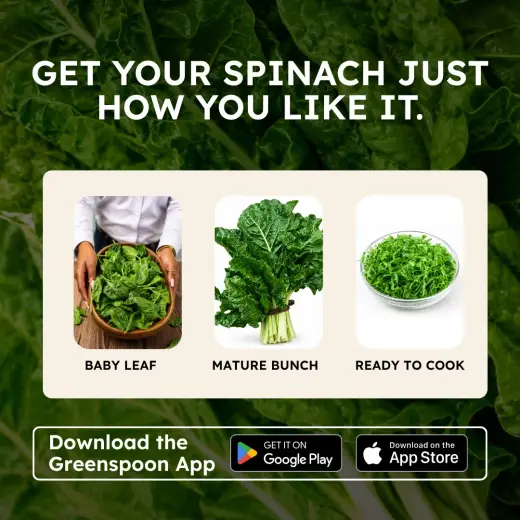
Greenspoon's statics tested speed of delivery, convenience and social-proof reviews. Below is a sample of creative from our food and grocery accounts, including UGC our team makes for Naked Nutrition. More on our UGC and creator ads.
 Greenspoon
 Greenspoon
 Greenspoon
 Greenspoon
Fatworks and Greenspoon: what our food and beverage marketing agency changed
Fatworks sells premium cooking fats. It had plateaued at a low six-figure level: customers bought single products, Meta and Google ran without a full-funnel strategy at high CPAs, and there was no retention system. We started with research into what drives purchase in the category, then built UGC for health-conscious consumers, listicle landing pages and structured media buying. We redesigned the purchase experience toward bundles and built email and SMS flows. Over 24 months, Fatworks grew from $200K to $12M in annual revenue, with average order value up 326%. Read the Fatworks case study.
Greenspoon is a grocery delivery brand. Meta reported strong ROAS, but as spend rose it stopped showing up in backend revenue, frequency was capping growth, and new customers were only about 4% of sales. We rebuilt the Meta and Google account infrastructure so reported numbers could be trusted, tested desire-led creative by awareness stage and mapped product groups to the audiences most likely to buy them. Across the first four months, year-over-year new-customer revenue growth averaged about 47% and total revenue growth about 42%. Monthly new customers averaged about 1,065, against a historical 720. (Greenspoon's internal backend reporting.)
Alexander Osinga of Greenspoon: "Growth now feels like a decision we make, rather than a question mark." Read the Greenspoon case study.
If you also sell in retail
Ads will drive some store sales your Shopify data never sees, and online discounts can undercut retail partners. Give DTC a job the shelf can't do, such as bundles, variety packs, subscriptions or online-only flavors, and judge it on its own margin and repeat rate.
Checklist before you scale
- First-order contribution margin is known, after shipping.
- The free-shipping threshold sits above the single-item basket.
- A bundle or variety pack is the entry offer.
- A replenishment flow is timed to your reorder interval.
- In-platform ROAS has been checked against backend revenue.
Who this is for
We work best with food and beverage brands doing $1M+ a year and spending $20K+ a month on Meta. Onboarding takes 1-2 weeks, and first creative goes live within 7-14 days. To see what your basket size and repeat rate are costing you, book a free Growth Audit.