Loud Lion is a beauty marketing agency for Shopify skincare, cosmetics and hair brands doing $1M+ a year. We run Meta and TikTok ads, creative that answers shade, skin and results questions without breaking ad policy, and the upsells that make a first order pay back. Mitchell Brands uses us across four of its brands.
The three doubts beauty buyers need answered
- "Will it match me?" For complexion products and hair, show each shade or color on several real skin tones or hair types, in daylight and unfiltered. For extensions, show the texture next to natural hair. A shade guide or quiz on the product page helps buyers pick right the first time.
- "Will it irritate my skin?" Put the full ingredient list where people look, flag common sensitivities plainly (fragrance, for example), and recommend a patch test.
- "How long until it works?" Give an honest timeline and show the routine, not just the result. Skincare that promises overnight change invites refunds and policy trouble.
Hooks a beauty brand can test
These are hypothetical starting points, not ads we ran.
- Shade line-up: "One shade, five skin tones, no filter."
- Texture only: a silent close-up of the product going on skin.
- Routine diary: "My 7am routine, week one," focused on use and feel rather than a before-and-after.
- Review read-aloud: a creator reads one real 5-star review and one critical review, then answers it.
- Install or application time: "Full install in under an hour," if that is true for your product.
- Reasons list: a static with four plain reasons to buy, like the AI "4 reasons" statics we made for Mitchell Brands.
Stay inside the claim rules
Meta restricts some before-and-after imagery and ads that suggest something is wrong with the viewer, and skincare claims need to be supportable. For Mitchell Brands we produce hundreds of creatives across four brands, including review ads, problem/solution statics, and AI-led statics and video, and roll out whitelisted ads with partnered creators. Our rule on any beauty account: if the brand cannot support a claim, it does not go in the ad. More on our UGC and creator ads.
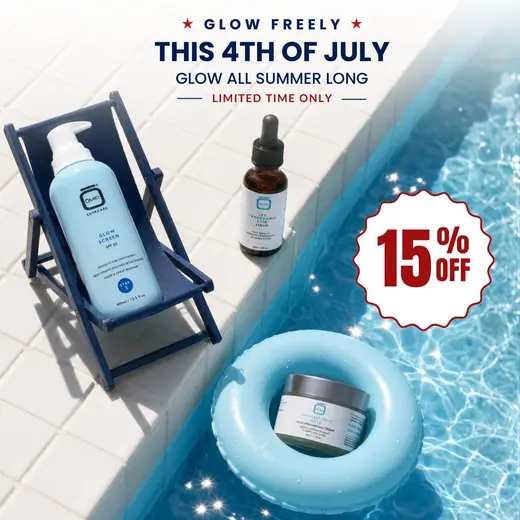 Omic Skincare
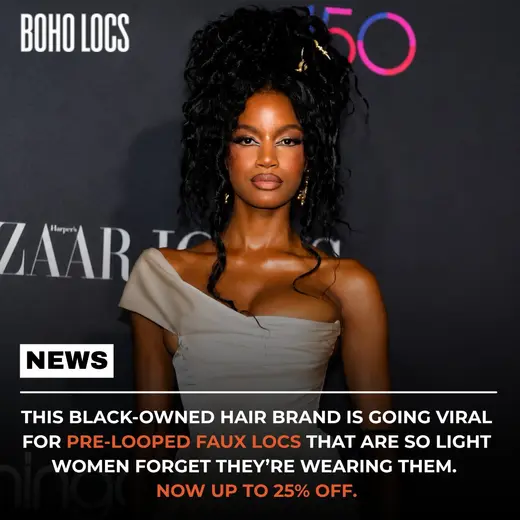 Boholocs
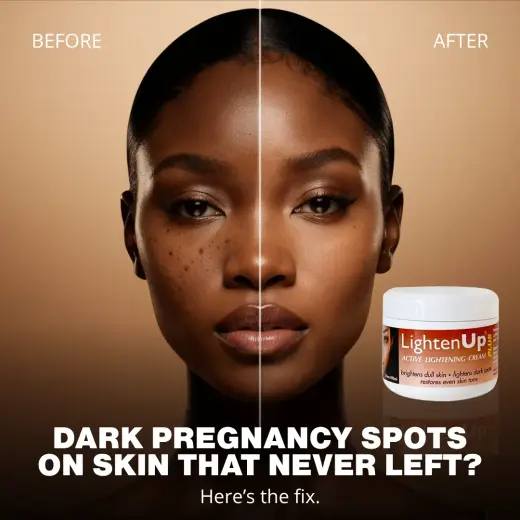 Mitchell Brands
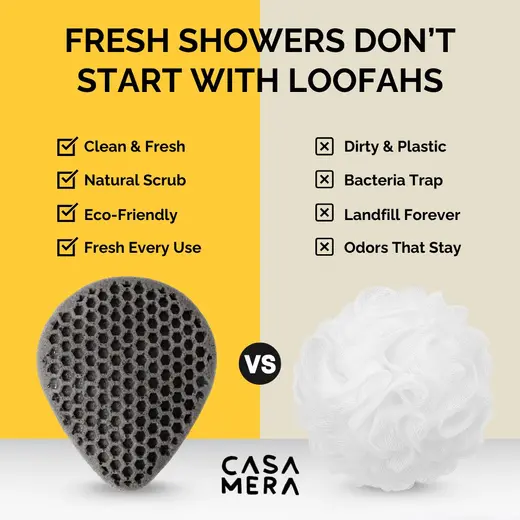 Casa Mera
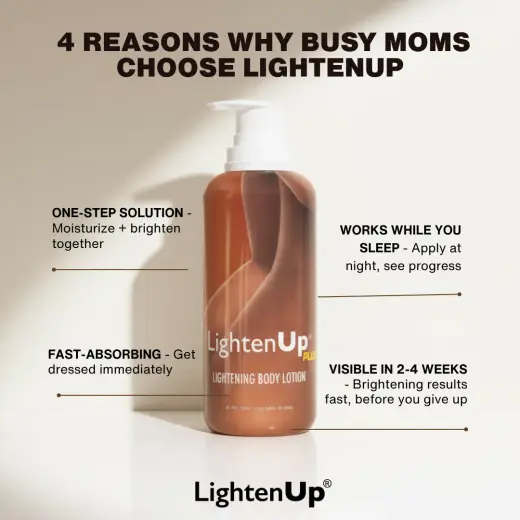 Mitchell Brands
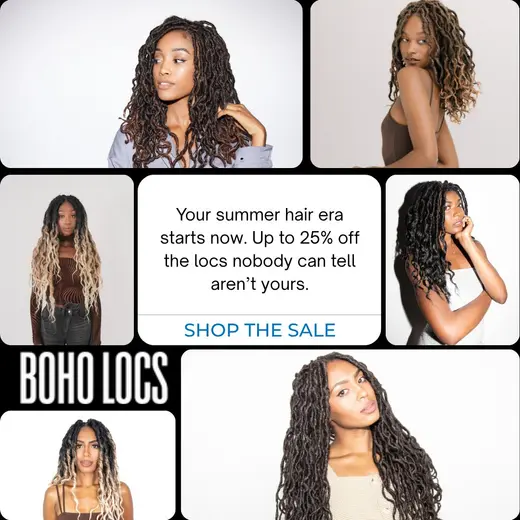 Boholocs
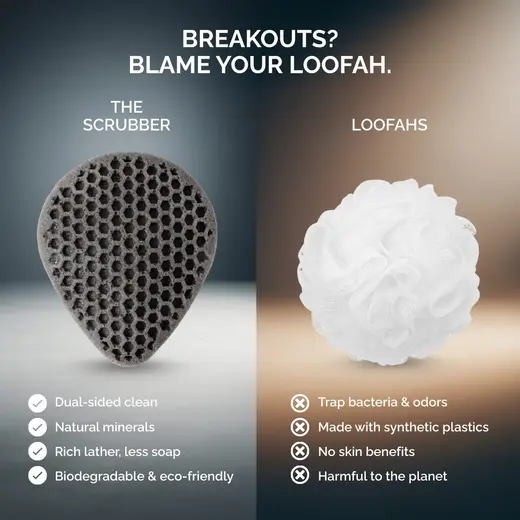 Casa Mera
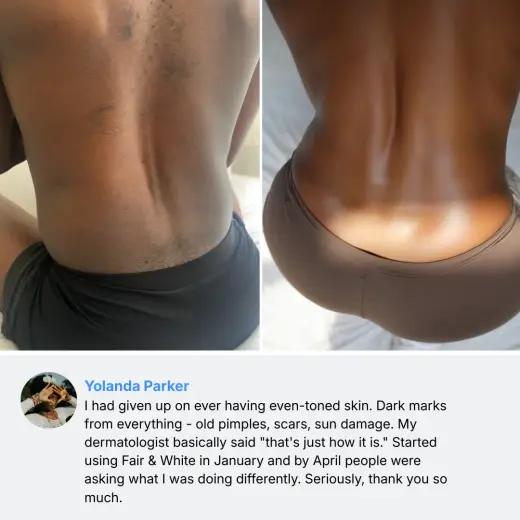 Mitchell Brands
Make the first order pay back
In beauty the first order is often small. At Mitchell Brands, one brand's order value was anchored on a $40 hero product. Tested upsell structures, designed to lift order value without disrupting conversion, moved it beyond single-product orders. CEO Tiger Farah: "They helped us move beyond just the $40 hero into higher-value upsells."
The offers that suit beauty are routine sets (cleanser, serum, moisturizer), a refill or larger size, and a matching product added at checkout. Our post on raising AOV with Shopify bundles covers the mechanics.
Order value per customer, same ad cost to acquire them
Desire, not another discount
Boholocs, a hair extensions brand, came to us frustrated by agencies that only pushed discounts. Our audit mapped a desire-led plan instead, the same direction the founder had already started sensing worked in their email. The team built a new landing page, started switching to the recommended pop-up tool, rebuilt email flows and campaign strategy, and edited new videos. The numbers are still early. Read the Boholocs case study.
What to measure, and the decision each number drives
- Second-order rate by first product. Lead acquisition with the product that brings people back, even if another has a cheaper first sale.
- First-order contribution margin after discount. If it is negative and second orders are rare, the offer is buying customers you lose money on.
- Attach rate on upsells. If almost nobody adds the second item, change the pairing or the price before adding more upsells.
- Refunds and returns by reason. A cluster of "wrong shade" or "reaction" reasons points to the product page, not the ad.
For Mitchell Brands, customer cohort and product profitability analysis decide which products we lead with. Read the Mitchell Brands case study.
Beauty pre-launch checklist
- Every shade shown on several skin tones, in daylight
- Full ingredients and patch-test advice on the product page
- An honest results timeline in the copy
- Claims checked against what the brand can support
- A routine set or upsell ready before scaling spend
- Repeat rate tracked by first product purchased
Who our beauty marketing agency works with
Shopify skincare, cosmetics and hair brands doing $1M+ a year and spending $20K+ a month on ads, on Meta and, where it fits, TikTok Shop and Live. Onboarding takes 1-2 weeks, and your first creative batch goes live within 7-14 days.
To see where your funnel is leaking, book a free Growth Audit.